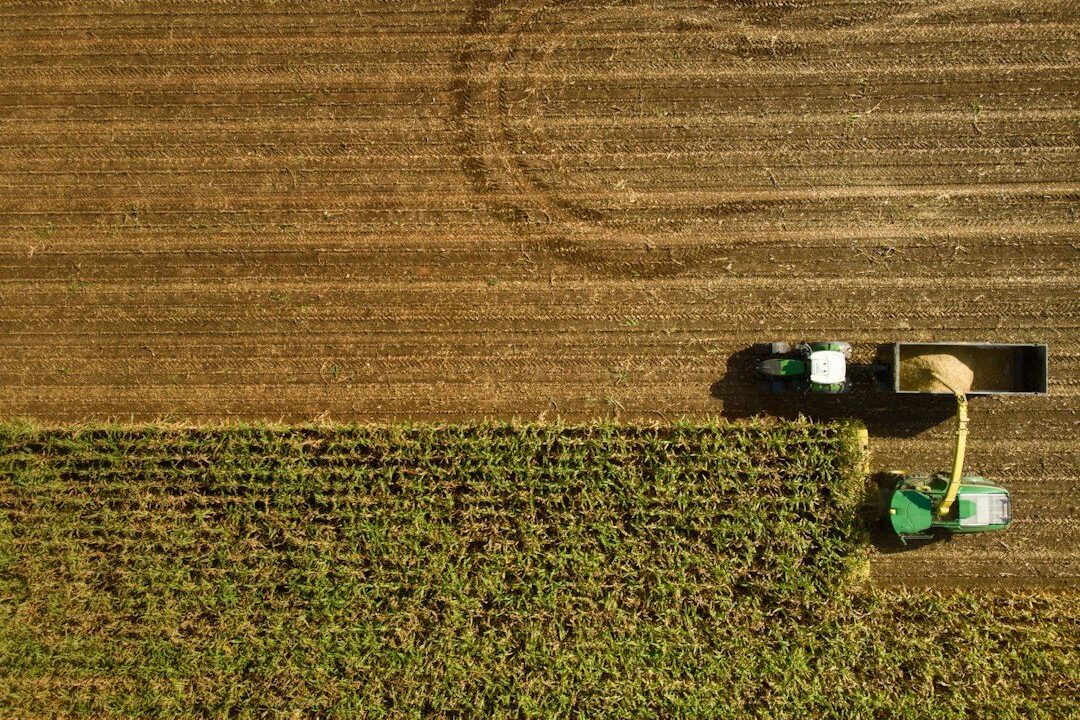
Seasonal farm work places heavy demands on tractors, combines, irrigation pumps, sprayers, trailers, and utility vehicles. A failed belt during planting or a damaged hydraulic line during harvest can interrupt production at the worst possible time. Planned maintenance gives crews time to inspect critical components, order replacement parts, and correct unsafe conditions.
Clear service records also help managers coordinate labor, control repair expenses, and keep machinery ready for demanding work periods.. Why timing matters. Farm operators often oversee equipment spread across fields, barns, workshops, and storage yards.
Farm equipment maintenance software brings inspection findings, service histories, repair assignments, manuals, and reminders into one working record. That information helps supervisors see which machines need attention, which tasks remain open, and which recurring faults could disrupt the next production cycle..
Build a seasonal baseline. Each machine needs a documented condition before seasonal activity begins. Technicians can record engine hours, oil levels, coolant strength, tire pressure, battery voltage, belts, filters, guards, and emergency equipment.
Photographs provide useful evidence for visible cracks, leaks, corrosion, or impact damage. Comparing new findings with earlier records helps crews distinguish normal wear from a developing mechanical problem.. Group equipment by use.
Inspection plans should reflect how each asset operates. A tractor used for tillage faces different stress than a grain dryer, irrigation pump, or livestock trailer. Grouping machinery by function keeps checklists focused on relevant parts.
Supervisors can also rank equipment by production value, repair history, or availability of replacement parts when several units need service simultaneously.. Schedule preventive work. Service intervals should follow engine hours, calendar dates, operating conditions, and manufacturer instructions.
Recurring reminders can include lubrication, filter replacement, fluid analysis, belt inspection, cooling-system checks, and brake testing. Assigning each task to a named worker creates accountability. Setting deadlines before peak demand leaves room for delayed deliveries, outside technicians, or repairs that reveal additional damage..
Track parts before demand rises. A missing filter or hydraulic hose can keep an otherwise serviceable machine out of operation. Maintenance records should match planned work with stock levels for bearings, belts, seals, hoses, lubricants, and fasteners.
Regular inventory reviews expose shortages early. Managers can approve purchases before demand increases, avoiding emergency freight charges and rushed substitutions that may not suit the equipment.. Keep records with the asset.
Service information should stay attached to the machine it describes. Asset records can contain operator manuals, inspection forms, repair notes, photographs, warranty details, and previous invoices. Technicians then see relevant history without searching through filing cabinets or contacting several coworkers.
Repeated failures become easier to identify, along with suppliers, components, or operating conditions linked to frequent repairs.. Improve field communication. Operators may notice unusual vibration, overheating, fluid loss, or reduced performance far from the workshop.
Mobile access allows them to submit a request, describe the symptom, and attach photographs while observations remain accurate. A supervisor can set urgency, assign a qualified technician, and provide updates. Clear communication prevents duplicated work and helps production leaders adjust daily schedules..
Use inspections to protect safety. Seasonal checks should cover brakes, steering, lights, guards, power take-off components, access steps, emergency stops, and operator controls. Standard forms make expectations consistent across locations and shifts.
Required fields can prevent incomplete reports from being closed. Managers receive evidence of completed checks, while technicians follow a repeatable process for identifying hazards before a machine returns to service.. Measure downtime patterns.
Useful performance measures include downtime hours, repeat failures, response times, overdue tasks, parts consumption, and repair costs by asset. Reviewing these figures shows which machines interfere with production most often or consume disproportionate labor. Yearly comparisons can also support replacement decisions.
A unit with rising service expense and recurring stoppages may cost more to retain than its records suggest.. Prepare crews for adoption. A maintenance platform requires practical instruction for operators, technicians, supervisors, and parts staff.
Training should cover request submission, task completion, photograph uploads, inventory updates, and inspection sign-off. Examples should match real farm conditions, including poor connectivity or work performed outdoors. Brief demonstrations during existing meetings can establish consistent habits without taking workers away from essential duties..
Connect plans with production. Maintenance timing should account for planting dates, weather forecasts, livestock responsibilities, transport needs, and harvest schedules. Managers can place routine service during lower-demand periods and reserve backup units for high-risk days.
Production and maintenance leaders should review the same calendar. Shared planning reduces conflicts between workshop tasks and field assignments, especially when weather compresses the available work window.. Review readiness before peak work.
A readiness review should occur several weeks before the busiest operating period. Managers can examine overdue inspections, open repair orders, missing parts, inactive assets, and unresolved safety concerns. Every high-priority item needs a responsible person, a clear deadline, and a recorded status.
Early review creates time for correction, reducing the chance that preventable faults interrupt planting or harvest.. Support better long-term decisions. Seasonal records become more valuable as they accumulate.
Several years of service history can reveal which assets lead to repeated costs, which components fail under particular conditions, and which inspection routines prevent breakdowns. Managers can use that evidence during budget planning and equipment replacement discussions. Decisions then rest on documented performance, rather than memory, urgency, or isolated repair invoices..
Seasonal readiness depends on disciplined preparation, accurate records, and timely decisions. Farm teams can reduce avoidable interruptions by inspecting critical components, scheduling service early, monitoring parts, and assigning clear responsibility for unfinished work. Mobile reporting keeps information moving between fields and workshops.
When maintenance records inform production planning, managers gain better control over labor, costs, safety, and equipment availability. That preparation helps machinery perform reliably during the short periods that matter most.. Featured image credit.
Tags: trends