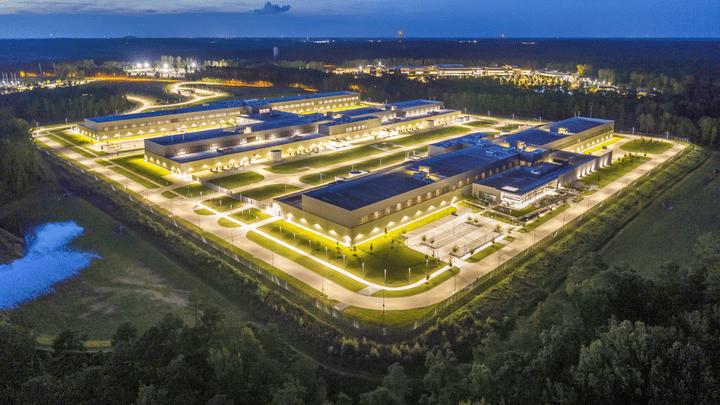
OpenAI aims to construct a portion of its data center in Effingham County, Texas, on wetlands. – OpenAI. The Savannah Morning News reports that OpenAI has submitted a request to the United States Army Corps of Engineers for a federal permit to fill 72 acres of wetlands at the location of their data center.
If the proposal is accepted, OpenAI will be able to construct four substantial data center facilities along with necessary infrastructure on the property located at the Savannah Gateway Industrial Hub, a 2,600-acre site specifically designed for industrial businesses. The plans for this campus were initially revealed in July.
Project Camelia is anticipated to cover an area of 113 million square feet (408,773 square meters). The organization has secured 3.2GW of electricity from the Georgia Power Company, with shipments slated to commence between 2028 and 2032. At the time, reports indicated that the company might invest over $30 billion in developing the project.
OpenAI has stated that it will cover the expenses for infrastructure and electrical services associated with the data center and will decrease its power consumption by up to 1GW of “flexible demand response” during peak demand periods. The news of the filing has caused apprehension among environmental organizations, which have cautioned that constructing on the wetlands may result in flooding.
Jeff Beauvais, an activist from the conservation group One Hundred Miles, expressed concern about the significant amount of impermeable surface being added to an area adjacent to two permanent creeks, stating, “That’s not good news for folks downstream.” OpenAI has employed engineers to investigate stormwater runoff, and the organization has unveiled intentions to build stormwater systems that will correspond to the natural drainage capabilities of the current wetlands and natural soils. In addition to flood control, wetlands offer numerous significant advantages to the local environment and its biodiversity.
According to the Clean Water Act, developers must obtain a permit from the government to either destroy or disrupt wetlands. The permit will only be granted if the site is considered the most environmentally friendly alternative available. OpenAI claims that its data center scheme maintains 70% of the wetlands within the project area, encompassing a bigger, continuous stretch of wetlands.
The public is invited to provide feedback on the application before November 4th.