Anthropic said its Bay Area wet lab has identified a previously unknown enzyme system in bacteriophage DNA that the company says has properties similar to CRISPR.. The company said the system can perform DNA operations such as cutting, copying and pasting, and said the finding was made mostly by its AI model Claude..
CRISPR is a natural immune system used by bacteria to fight off viruses and has become a widely used gene-editing technology.. Anthropic said the newly identified enzyme system was hidden in the DNA of bacteriophages, viruses that infect and replicate within bacteria.. Dario Amodei said in a post on X that the discovery built on earlier work and that a Stanford team had previously found a system “that is in some ways similar to the one Claude found.”.
Amodei said Claude made the discovery in 21 hours of “concerted effort,” using about 950 agents and processing 210 million tokens. Anthropic said the lab itself was established this spring, but declined to say how many months it has been open.. Anthropic said human scientists, not AI, carried out all physical experiments in the lab.
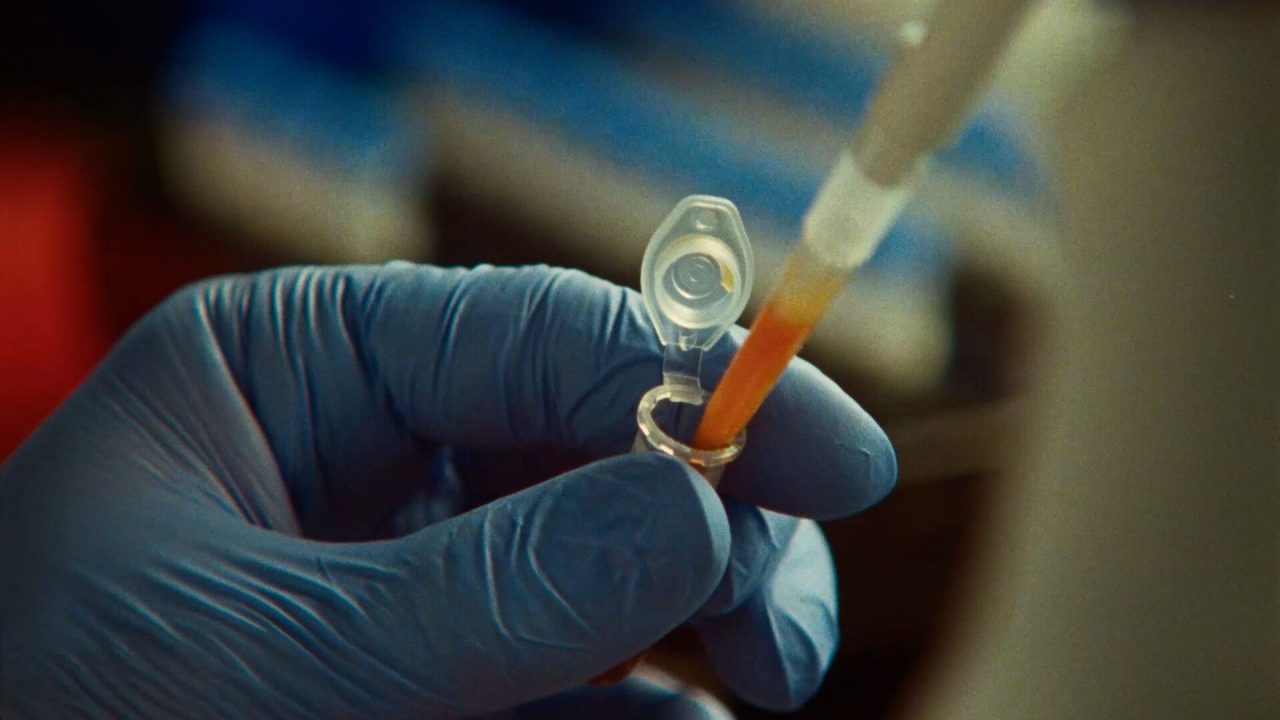
“Our lab, located in the Bay Area, looks like a typical molecular biology lab,” the company said.. “We do research that involves only the lower-levels of the biosafety risk level (BSL-1 and BSL-2) and we do not handle pathogens that can infect humans. All of the lab work is performed by human scientists,” Anthropic said..
Amodei has said that one of his main concerns is that AI could be used for bioterrorism, while also writing that AI will “cure most diseases in 5-10 years.”. Amodei also said Anthropic is not currently allowing Claude to run experiments autonomously, but added: “Eventually it may even be possible for Claude itself to safely perform the experiments by autonomously controlling lab equipment, with appropriate safeguards in place, but we aren’t doing that today.”.
Featured image credit. Tags: AnthropicclaudeFeatured