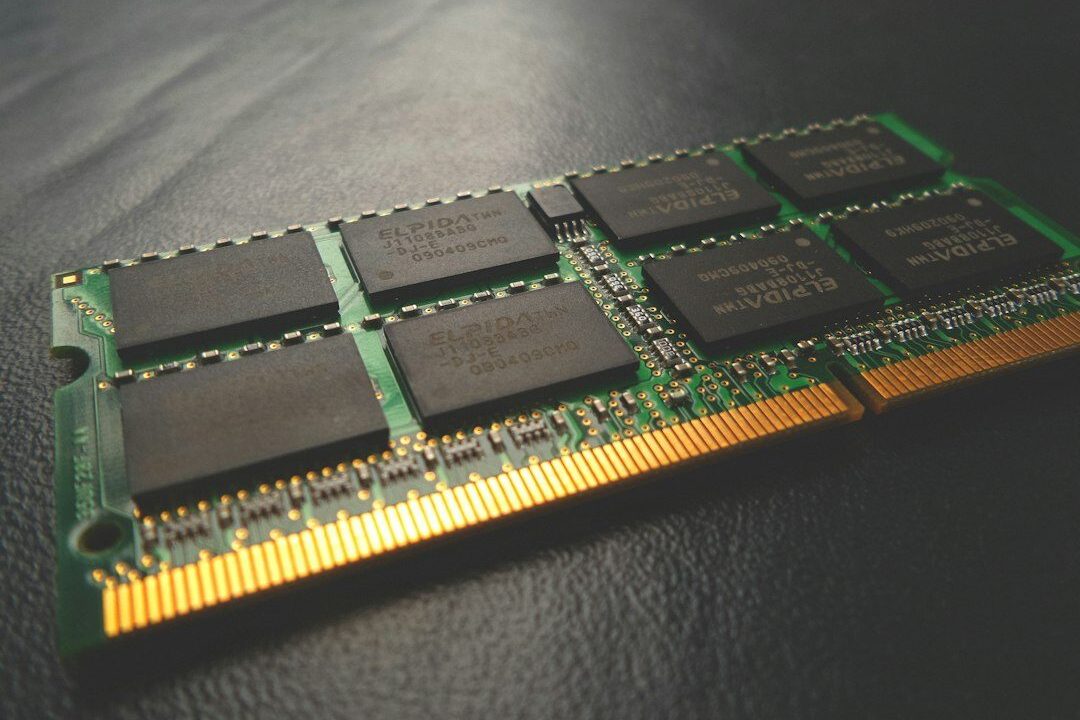
Counterpoint Research forecasts global shipments of smartphones priced below $200 will fall about 40% between 2025 and 2030, putting more than 230 million annual unit sales at risk as memory costs rise.. The pressure comes from higher DRAM and NAND prices as memory production shifts toward AI infrastructure.
J.P. Morgan estimates DRAM prices will rise more than 400% from the start of 2024 to the end of 2026, while Samsung has sought DRAM price increases of more than 20% for the third quarter, according to TrendForce.. Counterpoint had previously projected a 14.3% year-on-year drop in global smartphone shipments in 2026.
Omdia forecasts 1.097 billion shipments, down 11.9%, while IDC expects a 16.7% decline, which it said would be a record.. Budget phones are more exposed because memory accounts for about half of their component cost, according to the GSMA’s 2026 State of Mobile Internet Connectivity report..
“The price increases are really going to hit very dramatically,” Claire Sibthorpe, head of digital inclusion at the GSMA, told Light Reading.. For the poorest 40% of people in sub-Saharan Africa, an entry-level smartphone already costs about 76% of average monthly income, before the latest increases, according to the GSMA report..
The GSMA report found that cutting device prices to $20 or $30 would make smartphones affordable for an additional 1.6 billion to 2.2 billion people. Instead, Gartner estimated in February that a 130% rise in combined DRAM and SSD prices by the end of 2026 would lift smartphone prices by double digits..
Manufacturers are moving away from the low end as volumes shrink. “Cost pressure is forcing vendors to adjust product strategies,” Omdia research director Liu Yixuan said, adding that the low-end segment is “rapidly shrinking” while demand for mid-to-high-end phones is growing..
Some vendors are cutting budget product lines, reallocating regional resources and exploring device rental models.. The GSMA this week launched an initiative with the Partnership for Digital Access in Africa that aims to connect 1 billion people on the continent by 2030 by speeding the shift from 2G and 3G feature phones to smartphones.
“If it was that unaffordable before, now with these increases, it’s going to become even more so,” Sibthorpe told Light Reading.. Featured image credit. Tags: dramsmartphones