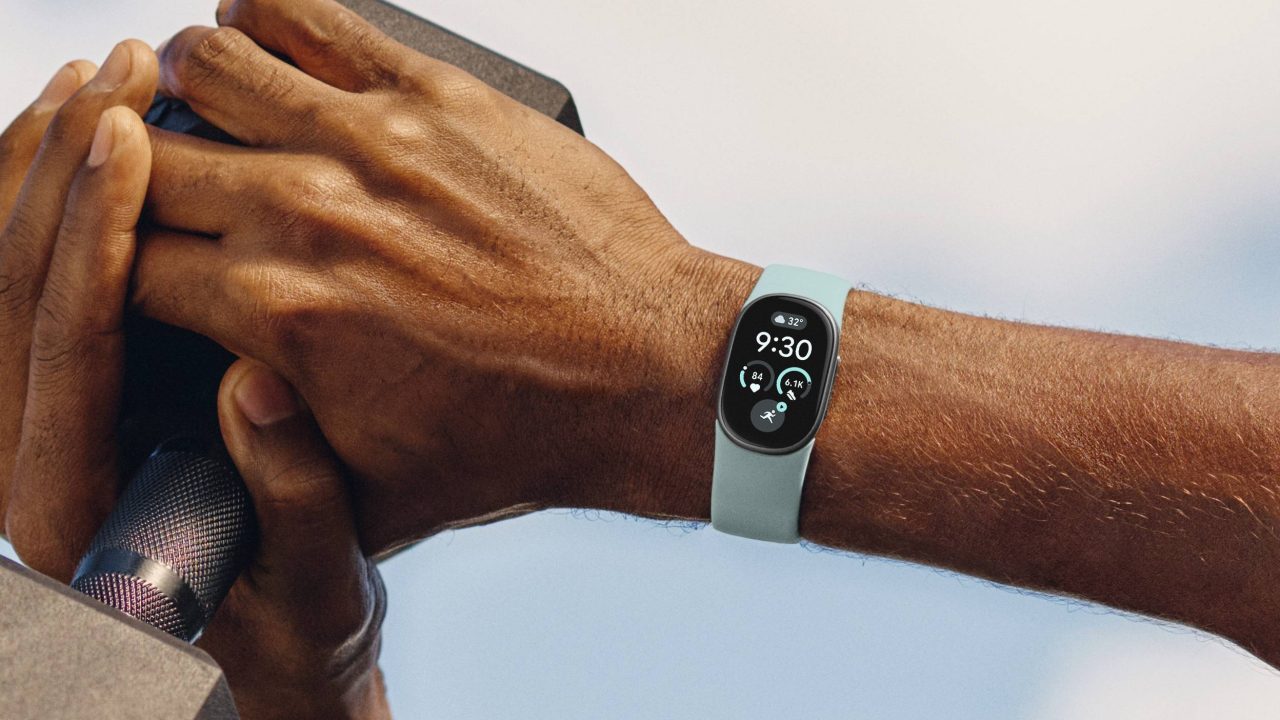

Google has launched the Google Fitbit Edge, a fitness tracker with a screen, onboard GPS and a replaceable battery, priced at $179.99 in the United States.
The Edge costs £159.99 in Britain. Australian pricing has yet to be confirmed, but the equivalent price is about AU$300. Google positions the device between the Google Fitbit Air and Google Pixel Watch.
Google calls the display its “largest and brightest tracker screen yet.” The hybrid OLED screen offers 46% more viewing area than previous Fitbits and is designed to remain visible in direct sunlight.
The interface uses Tiles for browsing and does not run full Wear OS. The tracker supports call and notification management, as well as Google Maps.
The exercise app includes improved automatic activity tracking that can detect up to 100 workout types without users manually starting a workout. The feature will also be rolled out to the Google Fitbit Air.
Unlike the Fitbit Air, the Edge has onboard GPS. Users can track routes and speeds while running, cycling, swimming or hiking without relying on a phone.
Health functions include menstrual-cycle and sleep tracking, Google Health tools and an AI fitness coach. The tracker also includes new Health Guardian features, including Insulin Resistance Trends and ECG scan functionality.
Google has retired the old Fitbit app and migrated all users to Google Health. The Edge has an 11.5mm-thick chassis, metal touchpoints across the device and a physical button.
Its interchangeable bands include an Active Sport band, a flexible, micro-adjustable Performance Loop and Metal Links.
Battery life is up to one week, and a 90-minute charge restores the battery to 100%. The battery is replaceable to extend the device’s usable life.
Tags: Fitbit EdgeGoogle