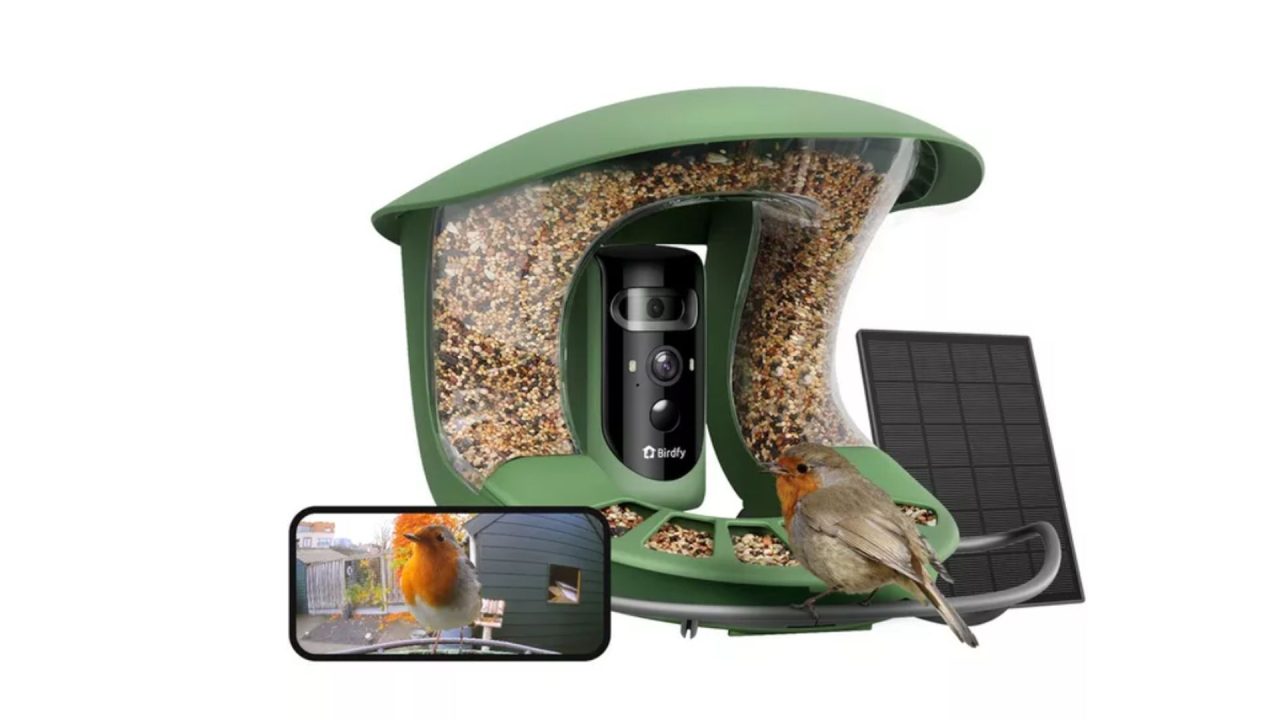
Watching animals used to be a regular pursuit, requiring specific tools and extended periods staying outdoors for the perfect shot. The field of computer vision is undergoing a transformation. A camera positioned near a bird feeder can capture images of visitors and utilizes AI capabilities to examine these photos and identify the birds without requiring an ornithologist’s expertise.
This technology represents the intersection of computer vision, machine learning, edge computing, cloud infrastructure, and consumer IoT in the creation of intelligent bird feeders. A contemporary bird feeder camera appears as an outdoor gadget, however, it functions as a compact wildlife surveillance platform.
This innovation reflects the broader surge in Artificial intelligence (AI) – initially confined to scientific laboratories, it is progressively permeating everyday consumer products. It ranges from capturing bird images to generating data comprehensible by machines. The initial step in implementing automated wildlife monitoring involves obtaining images.
A clever feeder has the capability to capture images or recordings when it identifies motion through the use of one or more cameras. Based on the kind of camera, motion detection can identify if a bird has come into the camera’s scope and remove unnecessary recordings. This converts a chance backyard meeting into visual information.
A regular photograph merely documents the events that have transpired.