Is Front-of-the-Meter Power the Next Data Center Play?

4 Min Read
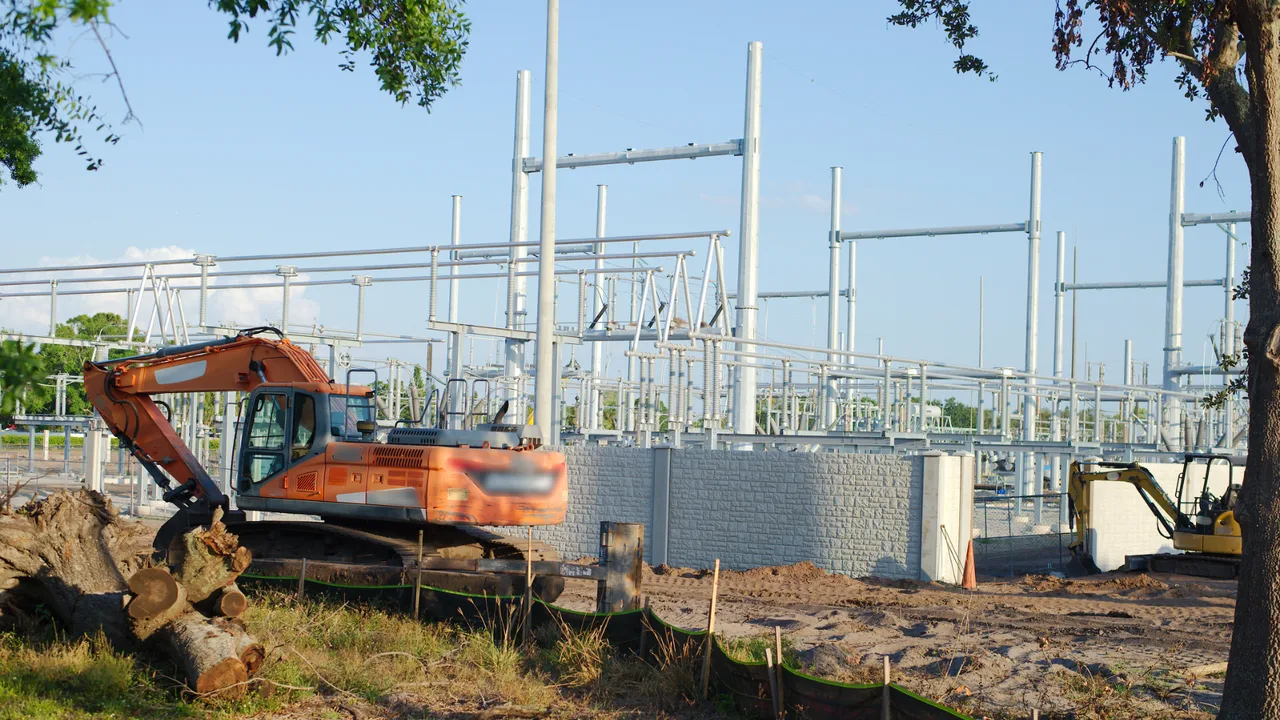
Front-of-the-meter power differs from behind-the-meter generation because it adds capacity to the grid instead of reserving electricity for a single data center.Getty Images
Behind-the-meter power has become a popular strategy as data center operators look for ways to expand capacity in regions where grid constraints are slowing growth.
Some data center operators – especially large hyperscalers – are now exploring a reverse approach: front-of-the-meter power. Instead of building generation solely for their own use, they help add power capacity that feeds into the grid itself.
That distinction could matter as electricity availability becomes one of the defining constraints on data center expansion.
What Is Front-of-the-Meter Power?
In the data center context, front-of-the-meter power refers to arrangements in which a data center operator develops or supports power generation capacity that delivers electricity to the grid, rather than reserving that energy exclusively for its own campus.
For example, instead of relying only on on-site backup generation or dedicated behind-the-meter assets, a company could build or back a power project that supplies electricity to the broader grid. In return, the operator may gain more reliable access to power in the market where it is expanding.
That is what separates front-of-the-meter power from behind-the-meter strategies. Behind-the-meter generation serves a specific facility or campus. Front-of-the-meter generation contributes to overall grid supply.
How New Is the Concept?
The idea is new in one sense and familiar in another.
Large technology companies have been involved in energy infrastructure and grid-related partnerships for years. Hyperscalers like Meta and Apple have worked with utilities and developers on projects intended to support broader power availability, renewable procurement, or grid expansion.
What makes front-of-the-meter distinct is the possibility that data center operators themselves take a more direct role in developing generation assets that serve the grid. That would go beyond simply financing projects or signing power agreements; it would represent a deeper operational stake in energy infrastructure.
This model is also distinct from grid-interactive or “grid-supportive” data center designs, in which on-site generation can sometimes help stabilize the grid. In those cases, the primary purpose of the asset is still to support the data center. A front-of-the-meter project is designed from the outset to add supply to the grid.
Why Would Data Center Operators Pursue It?
The clearest benefit is capacity.
If a company helps bring new generation online, it may improve the odds that enough electricity will be available to support future data center development. That is especially important in markets where utilities are warning of long interconnection queues, delayed energization timelines, or broader supply constraints.
It’s also worth noting that front-of-the-meter power can involve developing entire power plants, potentially supplying more energy than on-site, behind-the-meter infrastructure, which is usually smaller in scale.
Front-of-the-meter strategies could also offer political and regulatory advantages. Data centers are drawing scrutiny over the impact on local power systems, land use, and electricity prices. A company that is seen as adding grid capacity rather than just consuming it has a stronger response to concerns that new facilities strain public infrastructure.
At the same time, front-of-the-meter power is unlikely to be the simplest or most financially expedient route to expansion. Building or backing generation assets is capital-intensive, operationally complex, and subject to regulatory hurdles. For many operators, behind-the-meter infrastructure or utility partnerships may remain more practical in the near term.
Who Is Actually Doing It?
So far, front-of-the-meter power appears to be more of an emerging strategy than an established industry norm.
Amazon has been linked to a possible front-of-the-meter arrangement tied to a large AI data center facility it’s building in Texas. However, public statements suggest the company is still exploring its options rather than committing to a final model. If Amazon moves forward with a structure that directly adds generation to the grid, it could set an important precedent for other hyperscalers.
For now, however, the concept remains in its early stages. Most data center operators are still relying on a mix of utility partnerships, long-term power procurement, energy storage, and behind-the-meter generation rather than directly building grid-serving power plants themselves.
Will Front-of-the-Meter Power Catch On?
That will depend on how severe grid constraints remain, how quickly grid utilities can expand service, and whether hyperscalers see a strategic advantage in taking a more direct role in power development.
If interconnection delays persist and AI-driven demand continues to rise, front-of-the-meter projects may become more attractive, particularly for the largest operators with the capital to support them. If grid conditions ease or public opposition softens, the business case may be less compelling.
Either way, the idea is worth watching. As power becomes a gating factor in digital infrastructure growth, companies seeking to build the next generation of data centers may need to think less like pure real estate developers and more like energy infrastructure partners.
About the Author