
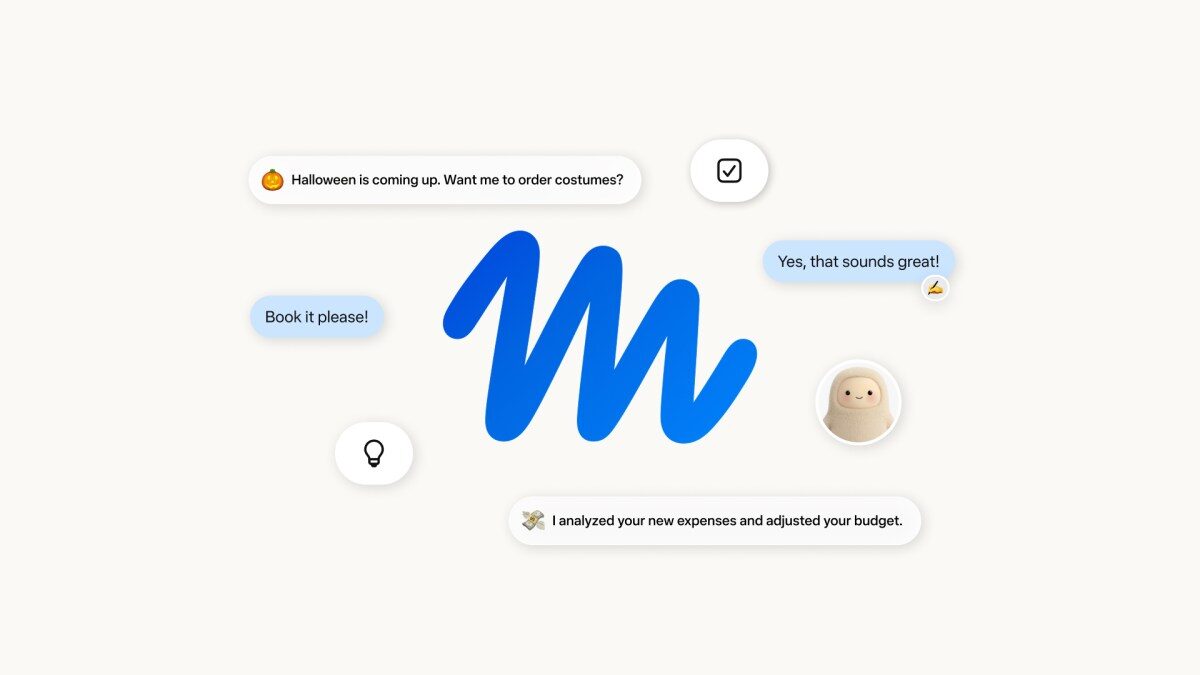
Meta has introduced Muse, a personal AI agent that can shop online, send emails, plan trips and handle other tasks on a user’s behalf.. Muse has dedicated apps and a website, and Meta said it can manage more complex tasks than the company’s existing Meta AI assistant by working independently once a user sets a goal..
In a blog post, Meta said Muse can help users create a personalized plan, coordinate their time and resources, and then continue advancing the work on its own.. The agent can connect to Meta’s apps and to third-party services including Google Workspace, Ticketmaster, OpenTable, Spotify and Apple Health..
Meta said users could ask Muse to review recipe videos saved on Instagram and Facebook, organize them into a readable format, build grocery lists, compare prices and place orders.. Muse can also establish its own connections to third-party services if a public API is available.. “Because it is a very capable AI product that can also build its own software, it isn’t really limited in what it can do,” Vishal Shah, Meta’s vice president of AI products, told Engadget..
“From a complexity perspective, you just have to get more and more comfortable with giving it access to more, and also telling it what’s important to you, so it can be the most helpful it can be,” Shah said.. Meta said Muse will ask for approval before higher-risk actions such as sending an email or completing a purchase, while lower-risk tasks can be completed without user signoff..
The company said Muse runs on a dedicated virtual machine designed to keep each user’s agent and accessible data separate from others.. Meta said the system can still make mistakes despite its safeguards. “Muse can and will still make mistakes, but we expect they’ll be much less frequent and cause much less damage due to the safety systems we’ve built in,” the company said in its blog post..
Chief Executive Mark Zuckerberg has said AI agents are central to Meta’s effort to bring what he calls “superintelligence” to a broad user base.. Meta is also integrating Muse into WhatsApp and its smart glasses to support use while people are away from their phones or computers..
Meta said users can opt out of having their Muse interactions used for AI training, and that conversations with Muse will not be shared with its advertising systems, although shopping-related activity may indirectly affect the ads users see.. The company said most features will be free, but users who want to “do more” will need to pay, and it did not specify when a Meta AI subscription might be required..
Featured image credit. Tags: FeaturedMeta