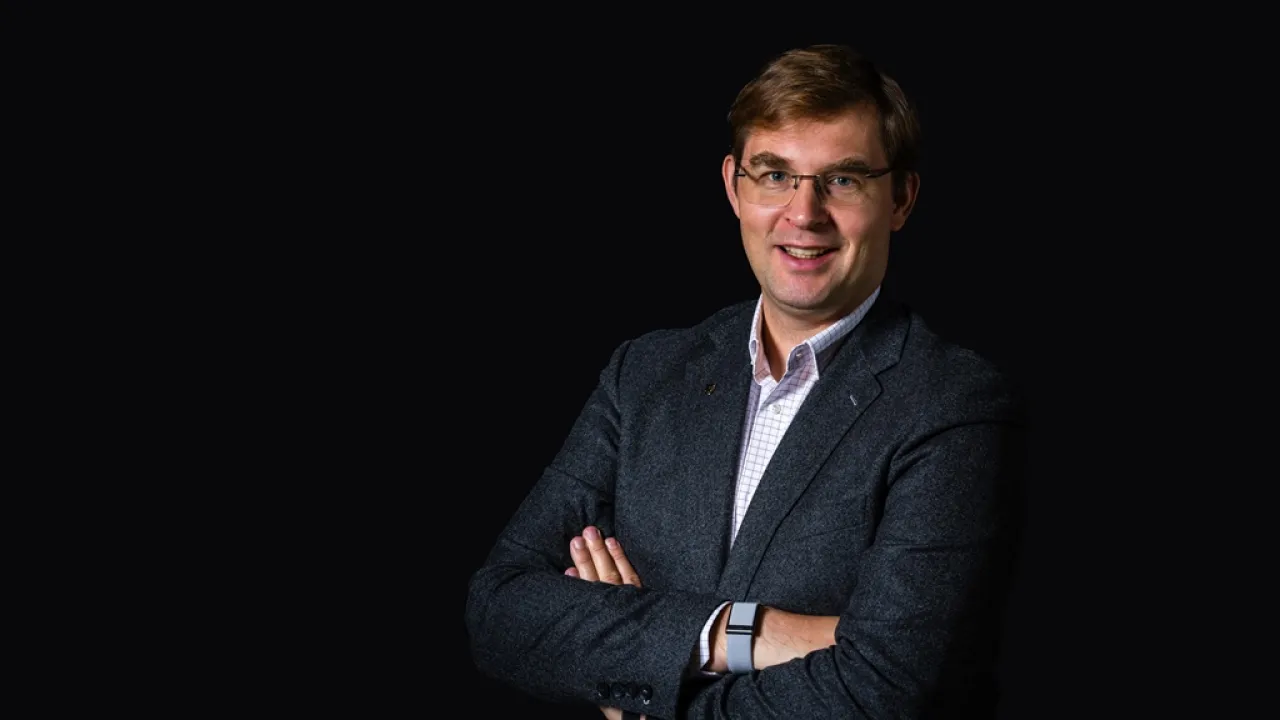

The FIDE presidential election will take place on September 26 in Samarkand. Among the three candidates is Timur Turlov , president of the Kazakhstan Chess Federation and founder and CEO of Freedom Holding Corp., who presented his program during the September 9 debate. It includes a development fund of more than $6 million, additional support for national federations, greater financial transparency and the development of FIDE’s digital tools.
German entrepreneur Jan Henric Buettner and WR Group founder Wadim Rosenstein are also running for president of the international chess federation. Five-time world champion Viswanathan Anand is part of Timur Turlov’s ticket.
Funding tournaments and federation development
Funding is the most concrete proposal in Timur Turlov’s platform. The candidate proposes creating a development fund of more than $6 million and directing it toward practical needs of national federations: hosting open tournaments, training arbiters and coaches, supporting players’ international travel and organizing domestic competitions.
The idea is straightforward: additional funding should create more opportunities for players and professionals regardless of the financial resources available to a particular federation. For some organizations, this could mean sending players to tournaments abroad; for others, it could mean organizing their own events or investing in professional training.
Speaking about the effectiveness of this approach, Turlov cited Kazakhstan as an example. According to the candidate, targeted sports funding helped athletes from the country win more than 140 medals last year. For FIDE, he proposes directing resources toward specific areas of development that can expand sports infrastructure and access to international competitions.
Public-company experience applied to FIDE governance
The second part of the program concerns how FIDE manages its own resources. Timur Turlov proposes strengthening the organization’s financial transparency and adopting management practices commonly used by public companies, including independent directors, audits and clearer reporting.
For the candidate, this is not a theoretical approach. Turlov heads Freedom Holding Corp., a financial group whose shares are traded on Nasdaq. During the debate, he referred to his experience managing a company with more than 10,000 employees and 14 million clients, as well as working with U.S. regulators.
The scale of FIDE makes governance particularly important. The federation brings together 200 national organizations, while around 1.5 million chess players have FIDE ratings. Rated competitions are held in 195 countries. As a result, decisions by FIDE’s leadership affect not only the world’s leading chess powers but also a large number of federations for which international support can have practical value.
Technology is changing more than broadcasts
Technology is the third area of Turlov’s program. The candidate proposes improving anti-cheating systems and exploring biometric identification for participants in official online competitions.
Turlov also spoke about a “rapid classical” format. His idea is to make classical chess more accessible to modern audiences while preserving the traditional form of the game. Under this approach, developing the spectator experience would not mean abandoning the principles of classical chess.
Three candidates, different priorities
Each of the three candidates has a distinct agenda. Jan Henric Buettner is focused primarily on FIDE’s commercial development. He proposes attracting major international sponsors and allocating 20% of the organization’s total revenue to national federations.
Wadim Rosenstein focused during the debate on relations between FIDE’s leadership and national federations and their right to receive fuller reporting on the organization’s work. After his opening statement, his internet connection was interrupted, and he was unable to continue participating in the discussion.
Timur Turlov’s platform is more closely tied to the practical development of national federations. It focuses on additional funding for tournaments and professional training, a more transparent governance system and technologies that can be used in competitions and in FIDE’s operations.
The decision now rests with the delegates of the General Assembly. They will meet on September 26 in Samarkand to elect the FIDE president for the next four years.
Tags: trends