

Trending
What it Takes to Evaluate Systems More Rigorously – Life Sciences Today Podcast Episode 81 Apple’s OLED touchscreen MacBook Pro is expected next month The AI Model Isn’t Your Advantage, The Knowledge Behind It Is Parakeet Health Raises $10M to Scale Agentic Patient Engagement Across 2,800 Providers Bain & Bessemer 2026 Scorecard Reveals Healthcare AI Delivers 3.5x ROI in 12 Months Arcadia Unveils Ascent, CareJourney, and LifeScience to Operationalize Agentic Population Health Google says some Android apps may run poorly on Intel Googlebooks The Bad Information Doom Loop: AI-Enabled Marketing Is Only as Strong as Its Data Foundation AKASA Launches Autonomous Mid-Cycle AI for Inpatient Coding and CDI CIO Podcast – Episode 123: AI Governance and Security with Joe Diver OpenAI to test visual ads in ChatGPT Images in the US Why EHR Delivery Has Become a Strategic Decision: Operating Models and Clinician Burnout The LLM Blindspot: Why Models Forget What’s in the Middle of Your Prompt Clinical Trial Site Selection and AI: Look-Alike Modeling Across Real-World Data and Care Delivery Signals Last 3 days: AI Evals, October cohort

Five Ways to Assess Your AI Infrastructure Readiness

AI workloads are driven by infrastructure, not enthusiasm. With the growing use of AI in various organizations, issues related to inadequate power supply, insufficient cooling, operational intricacies, and emerging security threats are becoming apparent. Should the aforementioned requirements be left unattended, AI projects will experience stagnation, face challenges in expansion, or even expose confidential information to threats.

AI holds the potential to drive growth and maintain a company’s long-term viability, but this can only be achieved if executives thoroughly assess the current situation, financial commitments, and considerations for future requirements. Misunderstanding this issue won’t have a minor impact; it will distinguish an AI investment that succeeds from one that remains stagnant.

Prior to allocating funds, follow these five steps to identify areas requiring infrastructure enhancements. 1. Establish the Correct Basis.

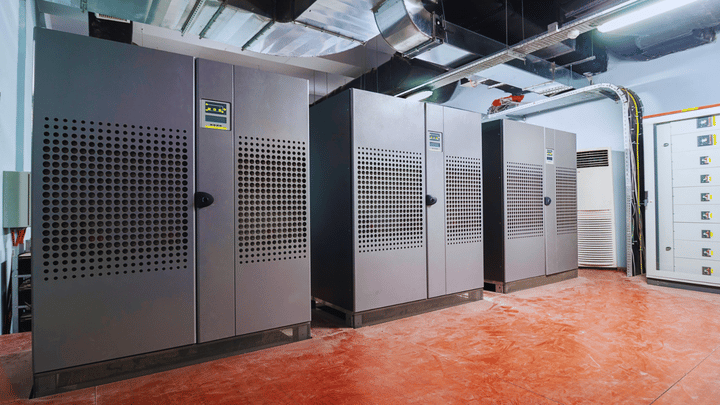
The effectiveness of AI is contingent upon the underlying system it operates within. In order to operate efficiently, servers, storage, and networks need to manage high compute density and substantial data streams without suffering from overheating or system failures.

 

Join the conversation

Your email address will not be published. Required fields are marked *