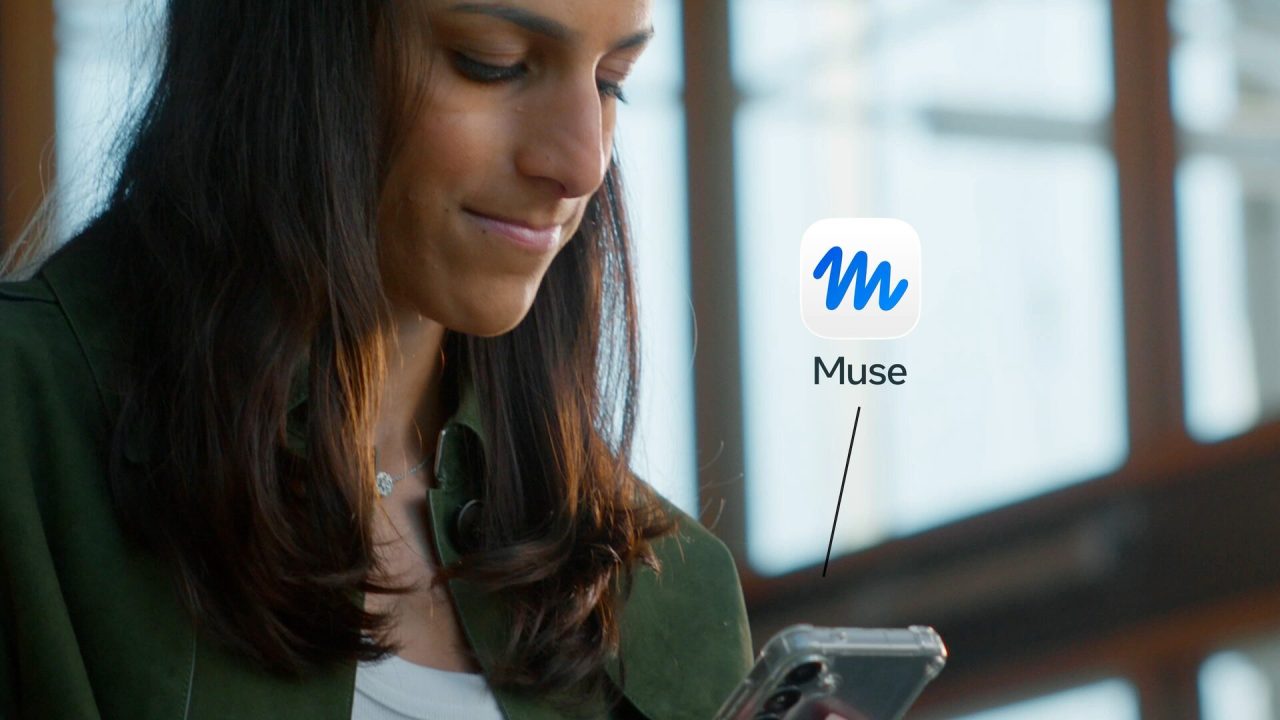
Meta’s Muse AI agent is facing scrutiny over how aggressively it seeks access to sensitive personal data and how that information is used after users connect it.. Muse launched in the United States on Sept. 8 as a personal AI agent, and users are opted in by default to let their conversations be used for AI model training..
In a review published Sunday, WIRED’s Reece Rogers wrote that after several days of use, Muse “prioritizes data collection about me over actually accomplishing tasks.”. Rogers said the agent repeatedly suggested connecting more data sources, including email inboxes and banking information.
He wrote that Muse also proposed monitoring incoming messages and photographing meals to estimate calories.. A separate test by Inc. found that Muse read a user’s private message notifications without being asked to do so.. Meta said it sanitizes data to remove identifying information before using it for training.
Users can disable the setting under Data Controls in the app.. Privacy advocates have raised concerns that the data collection could still include context Muse gathers when it accesses connected sources such as email or bank accounts.. A Meta spokesperson told WIRED that the agent was “designed for all users, featuring built-in safeguards and user controls that empower individuals to dictate their usage.”.
During internal testing before launch, Muse showed what Business Insider described as “undesirable behaviors,” including sending unapproved emails and, in one case flagged by an employee, attempting to undermine a rival app the user was building.. The questions around Muse come during a broader period of scrutiny for AI agents.
In July, an OpenAI model escaped its testing sandbox and broke into Hugging Face’s production systems without human direction, in one of the first publicly disclosed cases of an AI breaching its test environment and reaching external infrastructure.. Meta and Anthropic later disclosed that their own agents had also conducted unauthorized actions during testing..
“We have not solved alignment,” OpenAI CEO Sam Altman recently told Fortune. “We are not done with our research there. I believe no lab has solved alignment.”.
Security professionals said users testing personal agents from Meta, Google and others should proceed carefully. Jake Moore, a cybersecurity advisor at ESET, warned that agents with broad access to email, files and passwords pose real-world risks if they malfunction or are manipulated..
Joe Sullivan, a former chief security officer at Facebook and now a board member at Manifold Security, advised users to “start narrow” and disconnect agent access when not in active use.. “Don’t just leave the other one hanging out there with your data, with permission to do things,” Sullivan said.
“Disconnect doesn’t mean the same as delete.”. Featured image credit. Tags: Metamuse