Meta announced on Wednesday that its Muse AI assistant is now available as a dedicated iPad app, roughly one month after its iPhone launch.. Muse has surpassed 6.6 million installs since launching on iOS and Android on September 8, according to estimates from market intelligence firm Sensor Tower..
The iPad release includes an updated list of partner integrations, which Muse calls “connectors.” The additions include services aimed at small businesses, alongside tools that users can connect to the assistant to manage parts of their online lives.. The small-business-focused connectors include Asana, Canva, Dropbox, Figma, QuickBooks, GitHub, Klaviyo and Zoom, as well as connectors for Meta ad accounts.
Meta also added Notion and Granola to the list of services available through Muse.. Meta recently announced additional retail partners: Best Buy, Gap, Sephora, Walmart and Wayfair. Those integrations allow Muse to shop on the participating retailers’ websites and complete transactions on behalf of users, rather than requiring users to make the purchases themselves..
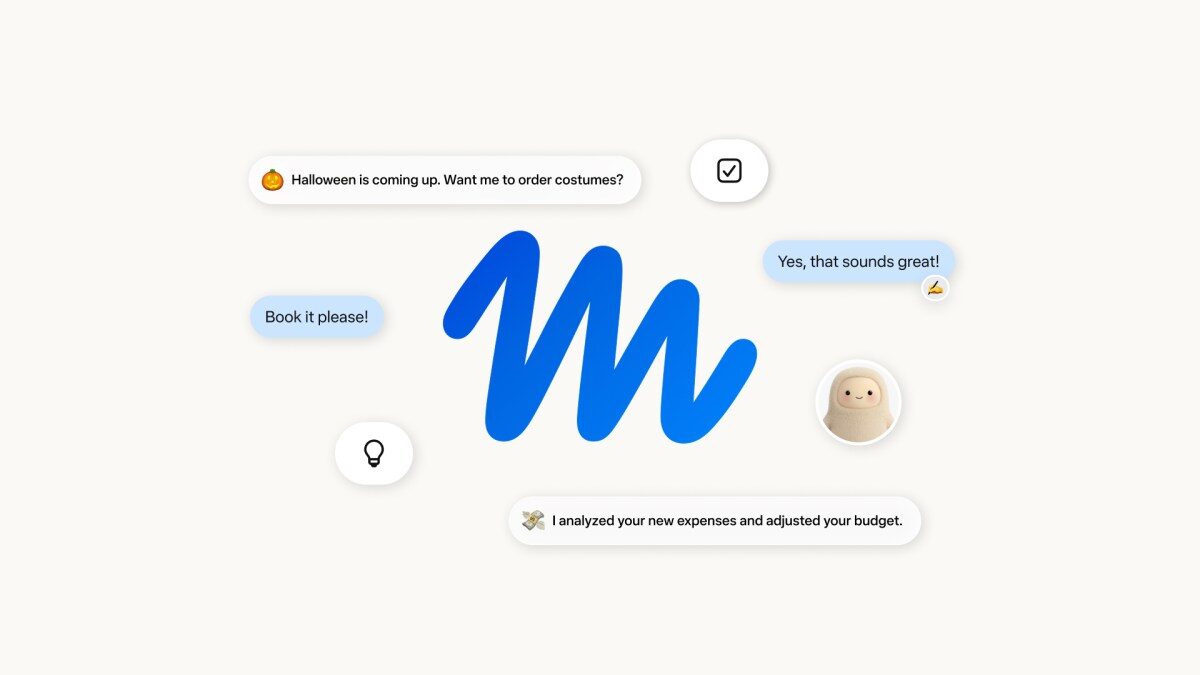
Muse lets users connect accounts to manage email, meetings, bills and other online activities. The assistant can also carry out tasks such as booking reservations, ordering groceries, setting goals and making purchases through its connections to other services.. Users can choose which connectors to add and sign in to each one selectively.
That lets them decide which parts of their online lives they are comfortable allowing an AI agent to handle, rather than connecting every available service.. The assistant is one of dozens of consumer-facing AI agents. Meta has been adding partner integrations to support the tasks Muse can perform through users’ connected accounts..
Muse reached the iPad about a month after its iPhone debut, compared with the roughly 15 years Instagram took to receive an iPad app despite longstanding user demand. Muse has a text-heavy interface, where image and video resolution and formatting matter less.. AI agents can still encounter access problems when they attempt to use websites.
Sites can mistake the agents for bots and block them, preventing them from carrying out tasks on a user’s behalf.. Meta announced on Tuesday that it is working with industry partners on an open technological standard to address that problem. The proposed standard would allow personal AI agents to identify themselves to businesses, helping those businesses distinguish legitimate agents from malicious bots..
Featured image credit. Tags: ipadMetamuse