Since the advent of microprocessors more than 50 years ago, CPUs have typically been built as single pieces of silicon. As a result, servers and the data centers that house them have largely been designed around that model.. However, that is beginning to change.
The growing adoption of chiplets – small modular dies that can be combined in a single processor package – is giving chipmakers a new way to build CPUs. By improving manufacturing flexibility and enabling more specialized processor designs, chiplets could reshape not just server architecture but also how data centers approach compute density, power efficiency, and infrastructure planning..
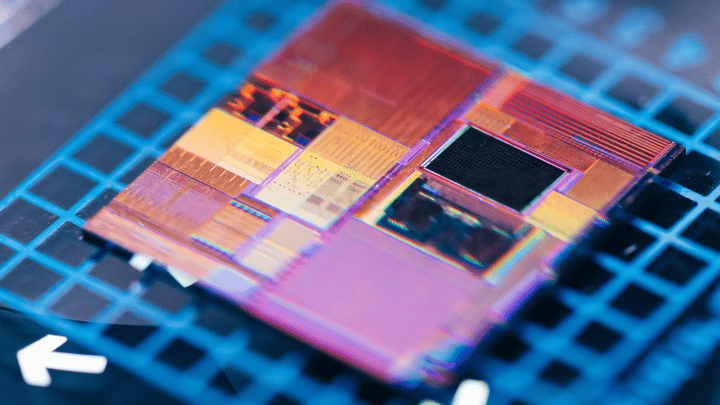
What Are Chiplets?. A chiplet is a small integrated circuit designed to perform a specific function within a larger processing package. Depending on the design, chiplets may handle compute, input/output (I/O), cache, memory connectivity, or workload-specific acceleration, such as AI acceleration..
Related:Microsoft Pushes Custom AI Chips with Azure Maia 300. When combined, chiplets can provide the same overall capabilities as a traditional CPU. The key difference is that, instead of manufacturing a processor as one large monolithic die, chipmakers can build it from multiple smaller dies assembled in a single package..
The chiplet concept has existed for decades, and related multi-die approaches are not entirely new. But adoption accelerated in the late 2010s as chipmakers sought more efficient ways to improve processor performance, manage manufacturing complexity, and scale designs across different workloads..
The Benefits of Chiplets. A chiplet-based approach to CPU design offers several potential advantages.. Reduced manufacturing costs.
Smaller dies are often easier to manufacture with higher yields than a single large, complex die. If a single die has a defect, the loss is usually less significant than losing an entire monolithic processor. It can also be easier to engineer and optimize a smaller die for a specific function than to design one large chip that must handle multiple functions at once..
Design freedom. By separating functions such as compute and I/O into different dies, chipmakers can tailor processor designs more efficiently for different types of workloads and product segments.. Potentially higher compute density.
In some cases, chiplets allow chipmakers to pack more processing capability into a single processor package, helping to enable more powerful servers without necessarily increasing physical server size.. Supply chain flexibility. Because smaller dies are often easier and faster to manufacture than very large monolithic chips, chiplet-based designs may reduce some production constraints.
That said, they do not eliminate supply chain risk altogether, because advanced packaging and integration can create bottlenecks on their own.. Related:AMD to Acquire World Labs for $8.2B to Advance AI Models and Robotics. In short, chiplets can make it easier for chipmakers to scale processor designs, improve yields, and optimize hardware for growing demand..
What Do Chiplets Mean for Data Centers?. Although chiplets directly affect processor design, their impact could extend well beyond the chip itself.. One important implication is the potential for increased compute density inside data centers.
If chiplets allow server vendors to deliver more processing power within a single server platform, operators may be able to support heavier workloads without expanding physical footprints at the same pace.. Historically, higher compute density has often meant higher power draw and greater cooling requirements.
Chiplets do not automatically solve that problem. However, if they enable more efficient processor designs or better performance per watt, they could help offset some of the infrastructure strain that typically comes with denser compute environments.. A key result of greater chiplet adoption, then, could be data centers that support higher IT loads without requiring proportionally more space or power.
In that scenario, existing facilities could become more valuable because operators would be able to do more with the infrastructure they already have.. Related:GPU Lifespan in Data Centers: Physical vs. Economic.
Chiplets may also help reduce the risk of server procurement delays by giving manufacturers more flexibility in how processors are designed and produced. This does not remove supply chain challenges altogether, but it could make sourcing CPUs and servers somewhat easier over time..
In the longer term, chiplets could also encourage more specialized server designs. As chipmakers gain flexibility to mix and match dies optimized for different functions, server platforms may become increasingly tailored for workloads such as AI, analytics, storage, or high-performance computing.
That would give data center operators more options, but it could also make infrastructure planning more workload-specific than it is today.. A Shift Worth Watching. Chiplets are no longer a futuristic concept.
They are already becoming an important part of modern processor design, especially as chipmakers look for new ways to improve performance and efficiency.. For data centers, the biggest impact may not come from chiplets themselves, but from the servers they enable. If chiplet-based designs continue to improve compute density, efficiency, and workload specialization, they could play a major role in shaping the next generation of data center infrastructure.