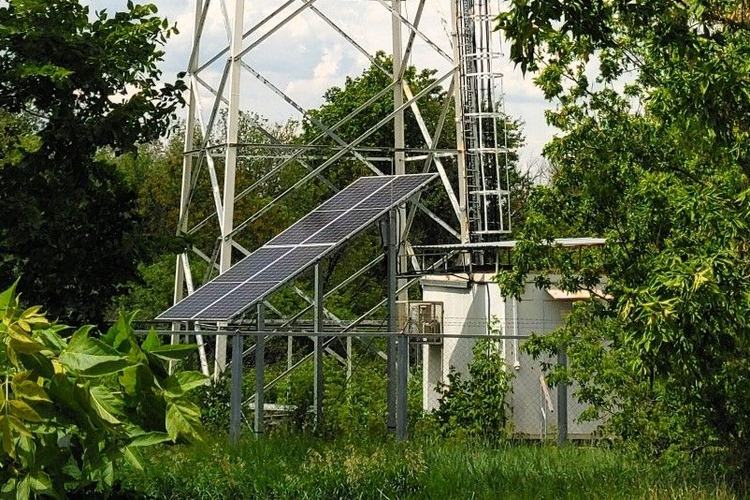
Vodafone Ukraine has revealed its intention to install solar panels at 400 base stations across the country. – Vodafone. The deployment utilizes 100 solar installations that have been installed in various base stations throughout the nation as a foundation. After the completion of the second stage of installations, the organization will have installed photovoltaic systems at 500 primary locations.
Each base station contains an array with approximately 360kW of capacity. In June 2026, Vodafone finished the initial phase of its project, installing solar arrays in 013 regions throughout Ukraine. The company reports that the solar arrays produced over 110,000kWh of power.
Moreover, it has been stated that certain base stations can function without relying on the external power grid when circumstances are suitable. The organization reported that the initial phase produced approximately 380MWh of energy yearly, accounting for about 30% of the annual electricity usage of the involved base stations.
They added that the first summer provided a chance to evaluate the technology’s performance in authentic settings. In the summer, the initial 100 solar power systems produced over 110,000 kWh of electrical energy. During periods of maximum solar power production, certain base stations were able to function without relying on electricity from the external grid, according to Yevhenii Frunza, the chief technology officer at Vodafone Ukraine.