As data center build-outs accelerate, most conversations about physical security focus on operational facilities, with threats ranging from mundane events, such as break-ins, to novel threats like drone attacks. Yet the period of greatest exposure is often earlier: during construction.
Sites are porous, contractor populations are large and fluid, and high-value materials and preinstalled equipment can be targeted or tampered with. Protecting the build phase should be a core pillar of any data center’s broader physical security strategy.. Construction-Phase Risks to Data Centers.
Physical intrusions during construction come in many forms:. Material theft. Theft of construction materials is common on open or lightly controlled construction sites.
Copper, cabling, generators, and networking gear are all attractive targets, leading to financial losses and construction delays.. Vandalism and sabotage. In some markets, community opposition to data center expansion can increase the likelihood of on-site disruption or damage..
Related:Electromagnetic Interference: The Invisible Threat to Data Center Uptime. Deployment of spy devices. More covertly, malicious actors may attempt to plant devices – such as rogue wireless access points, small network switches, or hidden sensors – during construction to enable remote backdoor access once the facility is operational..
Supply chain tampering. Risks also extend into supply chains: tampering with shipments, swapping components, or introducing counterfeit or compromised gear can create backdoors or degrade reliability before the facility ever goes live.. Aerial reconnaissance or nuisance activity.
Hobbyist drones can expose site layouts and procedures or create safety hazards.. Practical Strategies to Secure Data Center Construction Sites. While the overarching goal is simple – prevent unauthorized access to construction sites and their supply chains – executing this amid complex projects and large contractor populations is challenging.
The following layered controls help reduce risk while maintaining construction speed.. Establish a strong perimeter and active monitoring. Build robust physical barriers, ensure all ingress/egress routes are controlled, and funnel all foot and vehicle traffic through staffed gates.
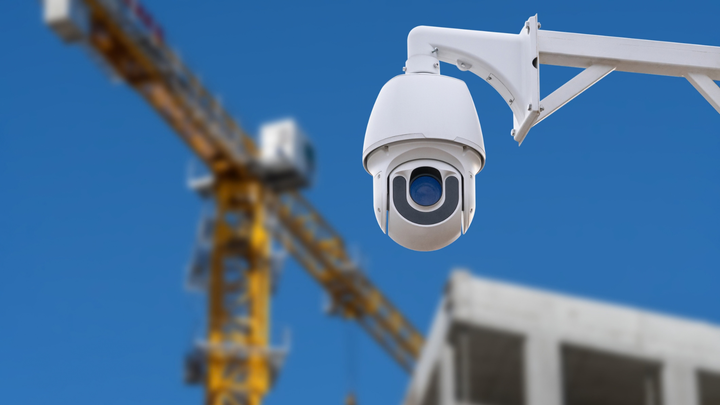
Pair this with temporary but professional-grade surveillance cameras covering the perimeter, material laydown yards, and sensitive areas; lighting designed with Crime Prevention Through Environmental Design principles; and motion or thermal sensors where feasible.. Verify and control who enters the construction site.
Vet contractors and delivery personnel before granting access, consistent with local laws and company policy. Require visible badges and use zoned access so workers can enter only the areas relevant to their tasks. This is no guarantee that bad actors won’t find their way in, but it’s one way to reduce risk..
Related:AI Data Center Boom Strains Global Construction Capacity. Grant access in phases. Bringing contractors on-site in smaller groups (e.g., having electricians complete their work before allowing HVAC workers to begin) reduces crowding and makes anomalous activity more visible.
The trade-off is that this may slow construction by reducing the amount of work contractors can perform in parallel.. Rope off construction areas. In addition to establishing a strong perimeter around the data center site, roping off or caging high-value storage (e.g., copper, cabling, generators, and networking equipment) provides another layer of defense against theft and sabotage..
Harden the supply chain and track custody. Vet vendors for chain-of-custody controls, tamper-evident packaging, and secure transit practices. Upon receipt, record serial numbers and MAC addresses of networked devices, use barcodes or RFID to track movement, and keep sensitive equipment in controlled cages until deployment..
Prepare for drone threats. Use drone detection where appropriate for visibility into potential aerial activity. Many forms of active drone interdiction are illegal, so coordinate with local authorities and legal teams, emphasizing deterrence, detection, and evidence capture rather than unlawful countermeasures..
Related:Is Multi-Line Insurance a Better Fit for Data Centers?. Validate what’s installed before commissioning. Another way to detect supply chain abuse is to compare installed assets against purchase orders and approved bills of materials.
Conduct technical sweeps for unauthorized wireless signals or unexpected network endpoints to identify situations where someone installed a device that isn’t supposed to be included.. Balancing Speed and Security. Complete eradication of construction-phase physical security risks isn’t realistic, just as fully preventing cyberattacks isn’t.
However, a multilayered defense strategy based on practices like those described above goes a long way toward reducing the likelihood and impact of intrusions, while improving your chances of detecting and remediating those that do occur.